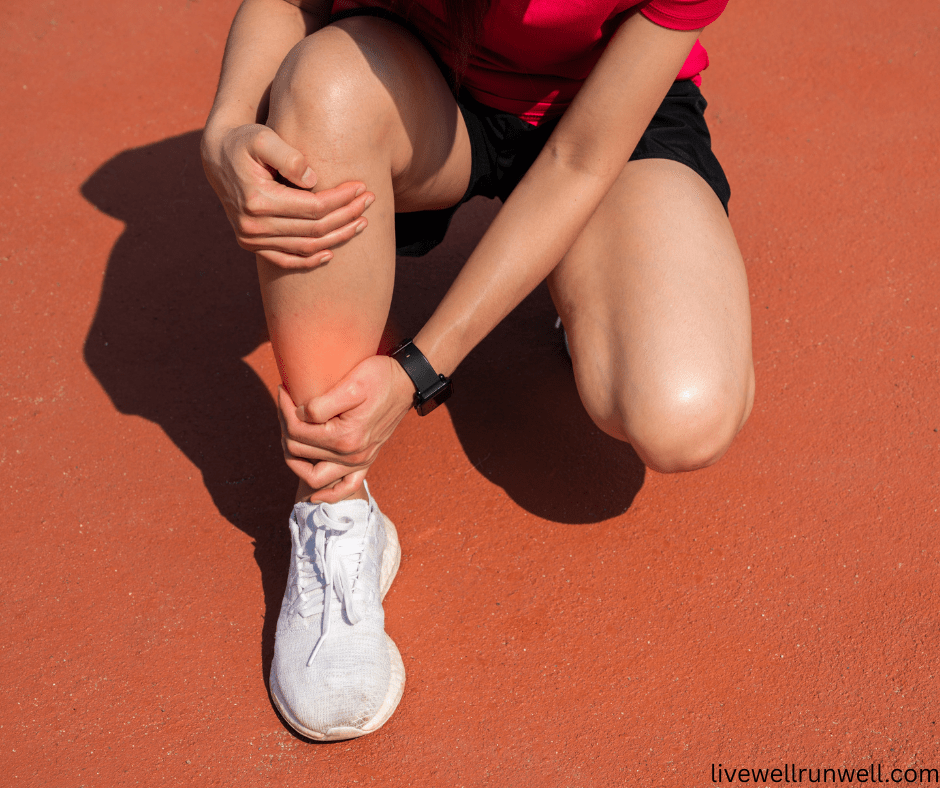
Because standing for 12 hours and running miles shouldn’t wreck your legs.
If you’re a runner—or even just someone who’s on their feet a lot—you’ve probably felt that awful, burning tightness in your lower legs: shin splints.
They’re one of the most common running injuries out there, and they hit especially hard if you’re like me and spend both your work and workout hours upright.
The good news? You can absolutely prevent them. It took me trial and error (and a few weeks of limping around at work), but I’ve found a routine that actually works. Here’s what helps me keep shin splints away, even on back-to-back shifts and high-mileage weeks.
1. I Don’t Skip My Warm-Up (Even if I Only Have 5 Minutes)
I used to jump straight into runs cold—especially if I was short on time. But skipping a warm-up was one of the fastest ways to irritate my shins.
Now I spend just 5–7 minutes doing light dynamic stretches before every run:
- Walking lunges
- Calf raises
- Ankle circles
- High knees or a few strides
It’s not fancy, but it makes a huge difference in how my lower legs feel.
2. I Rotate My Shoes Religiously
Wearing worn-out or unsupported shoes is one of the top causes of shin splints. Add in 12-hour shifts on hard hospital floors? Your legs don’t stand a chance.
I keep one pair of shoes for running and another for work, and I retire them on schedule—even if they look fine.
I aim to:
- Replace running shoes every 300–400 miles
- Wear supportive sneakers or clogs at work (compression socks too!)
- Use these insoles in my work shoes for extra arch support
3. I Strengthen My Lower Legs (Just a Few Minutes a Week)
Strong calves and feet = more shock absorption = fewer shin splints.
I added in 2–3 simple exercises a couple times a week:
- Calf raises (double + single leg)
- Toe taps and foot doming
- Resistance band ankle flexion
You can literally do these while brushing your teeth or watching Netflix.
4. I Pay Attention to Surfaces + Mileage
Increasing mileage too quickly—or running too often on hard pavement—used to fire up my shins almost instantly.
Now I:
- Stick to the 10% rule (no more than 10% increase in weekly mileage)
- Mix in soft surfaces (dirt trails or turf when I can)
- Use easy recovery runs or walk days after harder shifts
If my legs feel extra sore, I’ll swap a run for a bike ride or strength session to give them a break.
5. I Roll + Stretch Post-Run (Even Just One Spot)
Tight calves are shin splints’ best friend. I try to hit them right after my run or shift—even if it’s just a quick foam roll.
Post-run go-to’s:
- Foam roll calves + shins (slow, deep passes)
- Stretch ankles + Achilles
- “Wall calf stretch” while I’m brushing my hair or winding down
- Ice massage if I feel any hot spots coming on – I SWEAR by this one nipping them in the bud
This combo helps me recover faster—and keeps the warning signs from turning into full-blown pain.
Final Thoughts: Don’t Ignore the Early Signs
Shin splints usually come on slowly—tightness, tenderness, or soreness after a run or a long day on your feet.
If you feel them creeping in:
- Dial back your mileage for a few days
- Focus on recovery + lower leg strength
- Check your shoes and swap them out if they’re worn down
And most importantly—listen to your body. Prevention always beats rehab.
Got your own shin splint recovery tips? Drop them in the comments or share this post with someone who’s struggling with them!
